If you own a 1990s or early‑2000s Sammamish home, the glossy new models nearby can make selling feel like an uphill climb. You are not alone. Many Eastside sellers are asking how to compete with modern plans, energy features, and builder incentives. In this guide, you’ll learn what buyers really value, which updates deliver the biggest return, how to stage for impact, and how to price and negotiate against new construction with confidence. Let’s dive in.
Understand new‑build buyer appeal
New construction attracts buyers with move‑in readiness, modern open layouts, energy efficiency, and warranties. National surveys show many buyers choose new homes to avoid renovations and surprise repairs, which is a powerful message for time‑pressed shoppers. You can use that insight to shape how you prepare and present your home. NAR’s buyer and seller trends highlight these motivations.
Builders also use financial tools that change the math for buyers, including temporary or permanent rate buydowns, closing cost help, and upgrade credits. These incentives can narrow the monthly payment gap between new and resale. Expect informed buyers to compare your listing to a nearby spec home and to bring those incentives into negotiations.
Play to older‑home strengths
Older Sammamish properties often deliver things new builds cannot easily match:
- Mature lots with tall trees, established privacy, and usable yards that feel settled and green.
- Location benefits close to parks, trails, and commuting routes to Redmond and Bellevue job centers.
- Unique architecture, flexible spaces, and outdoor rooms that make everyday living and entertaining easy.
Keep school language neutral and factual in your listing. If your home sits within established school boundaries, note it without value judgments.
High‑impact updates with strong ROI
The best pre‑sale projects are visible, cost‑efficient, and reduce buyer friction. The annual Cost vs. Value Report consistently shows that curb appeal and targeted interior refreshes lead the way.
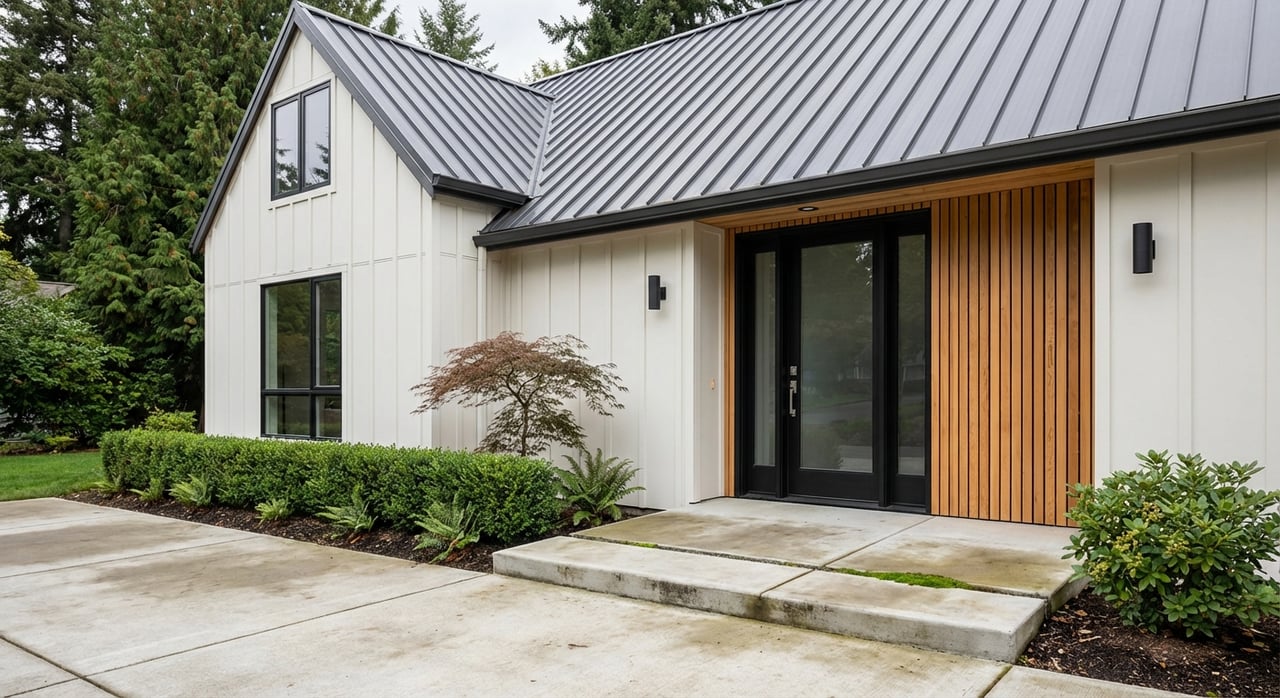
- Curb and entry refresh. Update the front door or hardware, consider a new garage door, power‑wash paths and siding, tidy beds, and add modern house numbers and lighting. These projects rank near the top for resale ROI.
- Neutral paint and lighting. A whole‑home paint update in a warm‑neutral palette, paired with simple modern fixtures, makes older interiors feel fresh and cohesive.
- Refinish worn flooring. Revive hardwoods or replace damaged areas with quality LVP where appropriate. Seattle‑area refinishing often ranges around common national averages; consult local pros for bids. For context, see this Eastside contractor’s guide to hardwood refinishing costs.
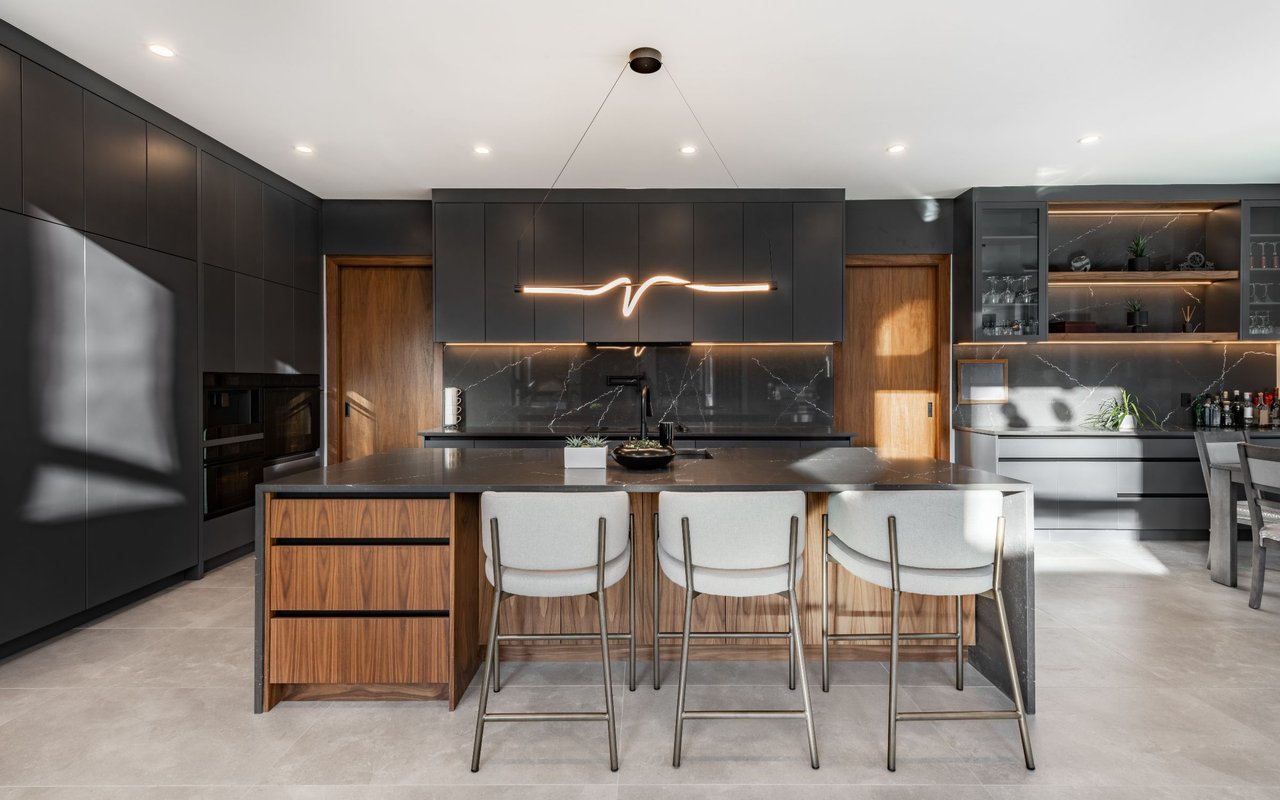
- Kitchen and bath facelifts. Focus on painted or refaced cabinets, new hardware, midrange counters, a clean backsplash, and updated faucets and lighting. Minor kitchen projects typically outperform full gut remodels for payback in Cost vs. Value.
- Systems and inspection items. Service the HVAC, address roof or water‑heater concerns, and fix visible electrical or plumbing issues. These steps limit appraisal and loan delivery friction. See Fannie Mae’s appraisal guidance for why documented condition matters.
Costs vary by scope and contractor. Get two or three Sammamish‑area bids before you commit, and prioritize the items that most improve first impressions and reduce inspection risk.
Stage and photograph for the Eastside
On the Eastside, presentation sells. The NAR Profile of Home Staging shows staging can shorten market time and may support stronger offers. Prioritize the living room, kitchen, and primary bedroom.
- Show family flow. Arrange furnishings to make open‑concept areas feel connected and usable.
- Define a quiet office. Many buyers still value a clear remote‑work space.
- Extend living outdoors. Style decks and patios to read like additional rooms and highlight mature landscaping. NAHB research confirms strong interest in outdoor living and well‑designed, efficient spaces.
Professional photography, a floor plan, and a short lifestyle video are must‑haves for Sammamish listings.
Price and appraise with purpose
You do not have to price “below new construction.” Instead, present a data‑driven value story:
- Build a comp set that includes recent neighborhood resales and any nearby spec homes that active buyers are likely to tour.
- Highlight transferable advantages in your remarks and flyer: private yard, established trees, finished lower level, outdoor entertaining, or a flexible bonus room.
- Prepare an appraiser packet with invoices for recent system upgrades, permits, warranties, a feature list, neighborhood comps, and HOA or utility documents as applicable. This supports a favorable condition rating and reduces reconsideration risk. For context, see Fannie Mae’s appraisal resources and this explainer on functional obsolescence.
If your floor plan is tighter than today’s norm, lean into curable fixes (opening sightlines, improving lighting and storage) or price with that reality in mind. Transparency builds trust and prevents later renegotiation.
Negotiate versus builder incentives
When buyers compare your home to a nearby model that advertises a rate buydown or closing cost credit, consider options that meet the same need:
- Offer a targeted closing cost credit tied to the buyer’s lender fees.
- Fund a limited temporary rate buydown if it pencils out better than a price cut.
- Agree to specific pre‑closing repairs with a written work order to remove inspection doubt.
Each path has escrow and lender implications, so coordinate with your agent, escrow, and the buyer’s lender before you commit.
Sammamish seller checklist
Immediate: 0 to 2 weeks
- Declutter, deep clean, neutral paint, and landscape tidy.
- Order professional photos and a measured floor plan.
- Complete Washington’s Seller Disclosure Statement (Form 17) per RCW 64.06.
Short term: 2 to 6 weeks
- Service HVAC, fix obvious plumbing or electrical issues, replace burned‑out exterior lights, and refresh hardware.
- Stage the living room, kitchen, and primary suite.
- Price using neighborhood resales plus relevant nearby new‑build actives.
Targeted upgrades (selectively)
- New garage or entry door, minor kitchen refresh, floor refinishing, and deck or patio improvements aligned to outdoor living.
Documentation pack
- Invoices, warranties, permits, neighborhood comps, HOA docs, septic or sewer records, and a features list that clearly communicates your home’s advantages.
Put a builder‑grade strategy behind your sale
You can absolutely compete with new construction by pairing the right prep, presentation, pricing, and negotiation plan. If you want a team that understands both sides of the table and brings developer‑level marketing to resale, let’s talk. Schedule a consultation with Team Ginn and put a proven Eastside process to work for your Sammamish sale.
FAQs
How do I price an older Sammamish home against new builds?
- Build a comp set that includes recent neighborhood resales plus nearby spec homes, then price to highlight your lot, privacy, outdoor living, and completed updates.
Which pre‑sale updates deliver the best ROI in Sammamish?
- Curb appeal, entry and garage doors, neutral paint, minor kitchen refreshes, and floor refinishing typically lead ROI, according to the Cost vs. Value Report.
Is staging really worth it for an older home?
- Yes. The NAR staging report shows staging can reduce days on market and support stronger offers, especially when you focus on key rooms.
How should I handle builder incentives during negotiations?
- Ask what incentives the buyer is comparing, then consider a focused closing cost credit, a limited rate buydown, or specific pre‑closing repairs to match value.
What should I do to prepare for the appraisal?
- Fix visible defects, document recent upgrades with invoices and permits, and provide a packet of comps and feature highlights per Fannie Mae guidance.