If you are torn between a brand-new home and an older one in Redmond, you are not alone. In a market where median prices are high and housing options vary widely, the right choice often comes down to how you want to live, how much flexibility you have, and what tradeoffs feel worth it to you. This guide breaks down how new construction and resale homes compare in Redmond so you can make a smarter, more confident decision. Let’s dive in.
Why this choice matters in Redmond
Redmond is not a one-size-fits-all housing market. The city includes a mix of detached homes, multifamily housing, and newer attached options, which means buyers are often comparing very different property types.
That matters even more in a premium Eastside market. Northwest MLS reported 758 sales in ZIP code 98052 with a median sale price of $1.3 million in 2025, while King County’s median sales price in April 2026 was $859,000. When prices are this significant, choosing the right home type can shape your budget, maintenance needs, and long-term comfort.
Redmond also has a fairly mature housing stock. The city says the median structure year is 1989, and 49% of housing units were built in 1990 or later. At the same time, the city is planning for 24,800 new homes between 2019 and 2050, so you are looking at a market where established neighborhoods and newer development are both important parts of the picture.
What new construction means in Redmond
In Redmond, new construction is often tied to the city’s growth areas, especially Downtown and Overlake. Downtown Redmond is one of the city’s two regional growth centers and is expected to absorb one-third of planned housing growth through 2030.
Transit is part of that story. Sound Transit opened the Downtown Redmond Link extension on May 10, 2025, adding Marymoor Village and Downtown Redmond stations. Overlake is also a major urban center with two light-rail stations, frequent bus service, and ongoing redevelopment.
New construction here does not just mean a detached house on a lot. Redmond’s residential code allows detached homes, duplexes through sixplexes, townhouses, stacked flats, courtyard apartments, and cottage housing. For many buyers, that creates more choices in layout, price point, and location.
New construction advantages
One of the biggest draws of a new home is lower near-term maintenance. Newer systems, materials, and finishes can reduce the chance that you will need immediate repairs after move-in.
Energy performance can also be a plus. The U.S. Department of Energy says certified efficient new homes are designed for energy savings, comfort, health, and durability. That does not mean every new home performs the same way, but newer construction often appeals to buyers who want a more turnkey experience.
Some new homes may also include a builder warranty. HUD notes that qualifying new homes can include a one-year builder warranty covering defects in labor and materials after title transfer or first occupancy. If you value added peace of mind in your first year, that can be meaningful.
New construction tradeoffs
The main tradeoff is usually price. Northwest MLS found that newly built single-family homes sold statewide for a median of $730,833 in 2024, compared with $650,000 for homes that were not new construction. In Redmond, NWMLS reported 97 sales in the new-construction condo market in 2024 with a median price of $1,031,555.
Timeline can also be less predictable, especially if the home is not yet complete. The Consumer Financial Protection Bureau notes that builders may ask for an upfront builder deposit, sometimes called earnest money, when a home is not yet built.
You may also need to make decisions earlier in the process. Depending on the property, that can include finish selections, upgrade pricing, deposit structure, and builder-specific timelines. If you want a familiar, straightforward purchase sequence, resale may feel simpler.
What resale homes offer in Redmond
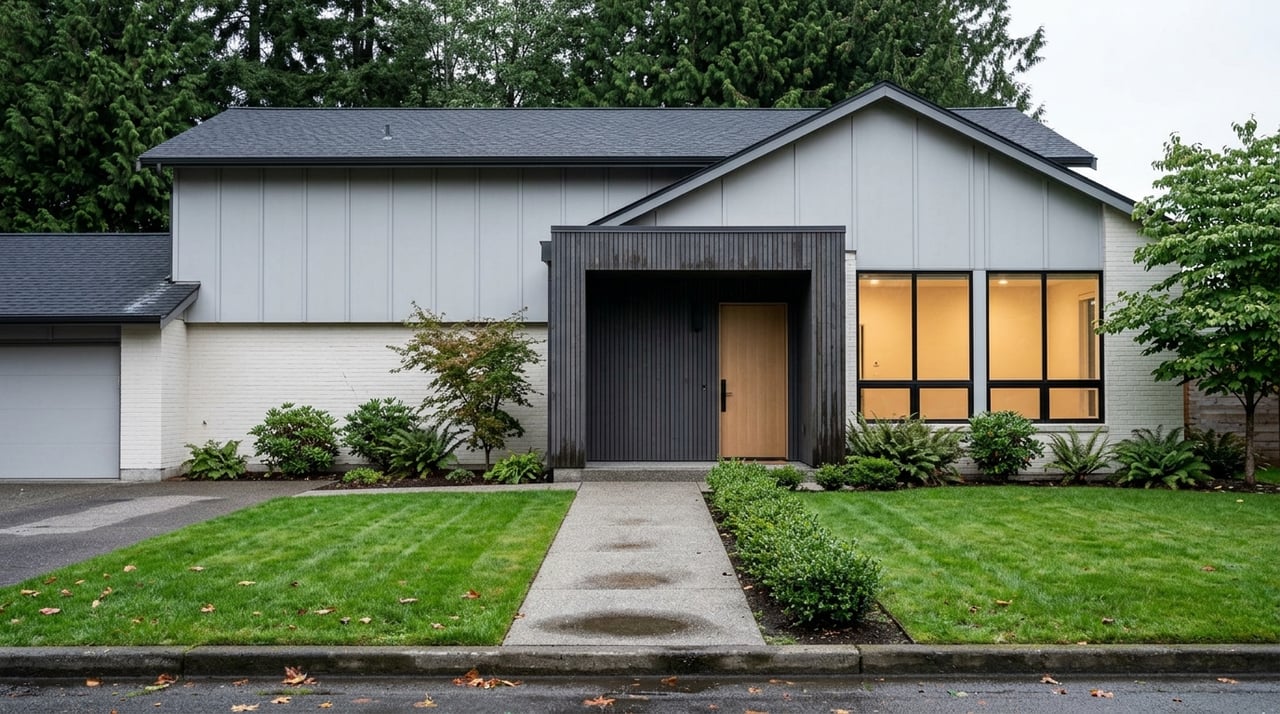
Resale homes are often the better fit if you want established surroundings and more traditional neighborhood patterns. In Redmond, that can mean mature streetscapes, larger trees, and older lot layouts that are harder to find in newly built areas.
The city describes Education Hill as a predominantly mature neighborhood with established character and a significant number of large trees. It describes Grass Lawn as a mature, highly walkable neighborhood with mostly low- to moderate-density housing.
For some buyers, that setting is the whole point. If you picture a classic detached home, a more settled residential feel, or an older Eastside subdivision pattern, resale is often where you will find it.
Resale advantages
Resale homes can offer more variety in lot size, home style, and neighborhood feel. In a city with a median structure year of 1989, many homes were built in an era with different floorplans, yard relationships, and street design than what you see in newer projects.
Resale may also help you preserve budget. Instead of paying a premium for brand-new finishes and systems, you may be able to direct cash toward renovations, repairs, furnishings, or savings. That can be a smart move if you are comfortable improving a home over time.
You also get to evaluate an existing property in its lived condition. You can see the exact home, the exact street, and the surrounding setting before you commit. For many buyers, that certainty matters.
Resale tradeoffs
With resale, inspection becomes especially important. HUD advises buyers to get a home inspection because it reveals more detailed information about a home’s condition before financial commitment, and it notes that FHA does not perform inspections.
The CFPB also recommends making an offer contingent on financing and a satisfactory inspection. That matters because older homes may come with repair needs, aging systems, or upcoming replacements that are not obvious at first glance.
You should also plan your cash carefully. The CFPB says buyers should budget for maintenance, repairs, and utilities, and notes that closing costs typically run 2% to 5% of the purchase price before moving costs, furnishings, or home improvements. A resale purchase can work well, but it helps to go in with a realistic reserve.
How to choose between new and resale
There is no universal winner in Redmond. The better fit depends on your priorities, budget strategy, timing, and the type of home you actually want to live in.
Choose based on price
If you are comfortable paying more upfront for newer systems, lower immediate maintenance, and a more polished move-in experience, new construction may be the better path. That premium can make sense if convenience is a top priority.
If you would rather keep more cash available for updates, repairs, or furnishings, resale may be the stronger choice. The CFPB specifically recommends reserving funds for moving costs, renovations, and emergency savings when planning a purchase.
Choose based on location
If being close to Downtown Redmond, Marymoor Village, the 2 Line, or Overlake redevelopment matters most, new construction may line up better with your goals. Much of Redmond’s newer housing supply is concentrated in these growth areas.
If you are drawn to established residential settings, resale often gives you more options. Neighborhoods like Education Hill and Grass Lawn are known for their mature character and established streetscapes.
Choose based on floorplan
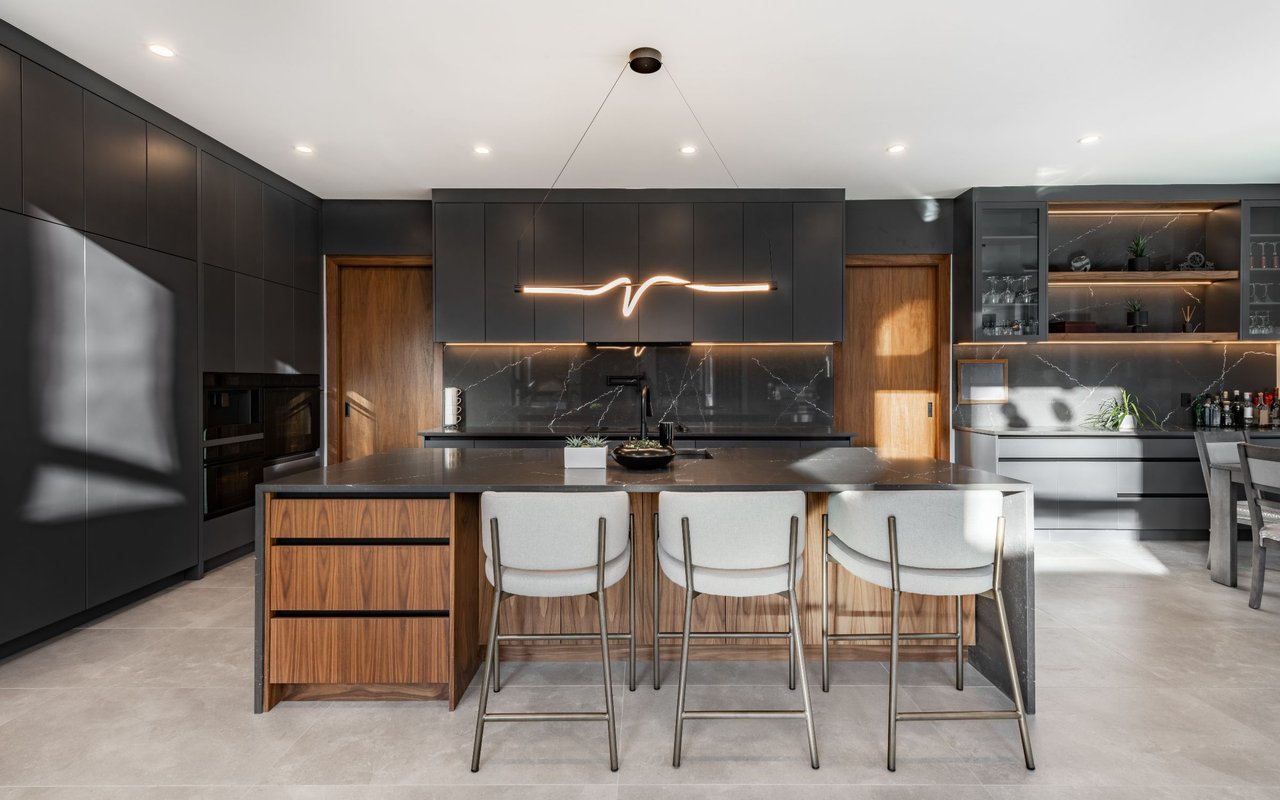
If you want a more contemporary layout, new construction may offer what you need. Redmond’s allowed housing types now include townhouses, stacked flats, cottage housing, and other formats that can feel more modern and flexible.
If you prefer a classic detached-home layout or a different lot-to-home relationship, resale may be a better match. Older homes often reflect the design patterns of earlier Eastside development.
Choose based on timeline
If your move date is flexible, new construction can still work well. That flexibility is especially helpful if the home is not finished yet and the process includes builder deposits and extra pre-closing steps.
If you want a more familiar purchase timeline, resale may feel more predictable. Once financing and inspection are in place, the path to closing is often easier to understand.
Choose based on maintenance
If you want to minimize upkeep in the early years, new construction usually has the edge. Newer systems and materials are a major reason buyers choose new homes in the first place.
If you are comfortable with an inspection-driven maintenance plan, resale can still be a strong value. The key is to understand what the home may need in the short term and budget for it before you close.
Why local guidance matters
In Redmond, this is not just a question of old versus new. You may be comparing a townhouse near light rail, a new condo in an urban center, or a detached resale home in an established neighborhood. Those are very different buying decisions, even when the price points are similar.
That is where experienced guidance becomes valuable. The CFPB recommends working with an agent who has strong experience in your preferred neighborhoods and property type. In Redmond, that means understanding builder pricing, deposits, and timelines, while also knowing how to evaluate inspection findings, repair planning, and resale value.
Team Ginn brings a useful perspective here because the team works across both new construction and resale on the Eastside. That kind of cross-market experience can help you compare options clearly instead of looking at each property in a vacuum.
If you are weighing a new build against a resale home in Redmond, the right decision starts with a clear plan for budget, location, lifestyle, and timing. When you are ready to talk through the tradeoffs with an Eastside team that understands both sides of the market, connect with Team Ginn.
FAQs
What is the main difference between new construction and resale homes in Redmond?
- New construction in Redmond is often located in growth areas like Downtown and Overlake and may offer newer systems and contemporary layouts, while resale homes are more common in established neighborhoods with mature streetscapes and older housing patterns.
Are new construction homes more expensive than resale homes in Redmond?
- Often, yes. NWMLS reported a statewide median of $730,833 for newly built single-family homes in 2024 versus $650,000 for homes that were not new construction, and Redmond’s 2024 new-construction condo median was $1,031,555.
What should you budget for when buying a resale home in Redmond?
- You should plan for inspection-related repairs, ongoing maintenance, utilities, and closing costs. The CFPB says closing costs typically run 2% to 5% of the purchase price before moving costs, furnishings, or home improvements.
Where are most new construction homes located in Redmond?
- New construction is concentrated in areas where the city is directing growth, especially Downtown Redmond and Overlake, both of which are tied to transit-oriented development.
When does a resale home make more sense in Redmond?
- A resale home may make more sense if you want an established neighborhood setting, prefer a classic detached-home layout, want to see the exact property before you buy, or want to preserve budget for updates and savings.