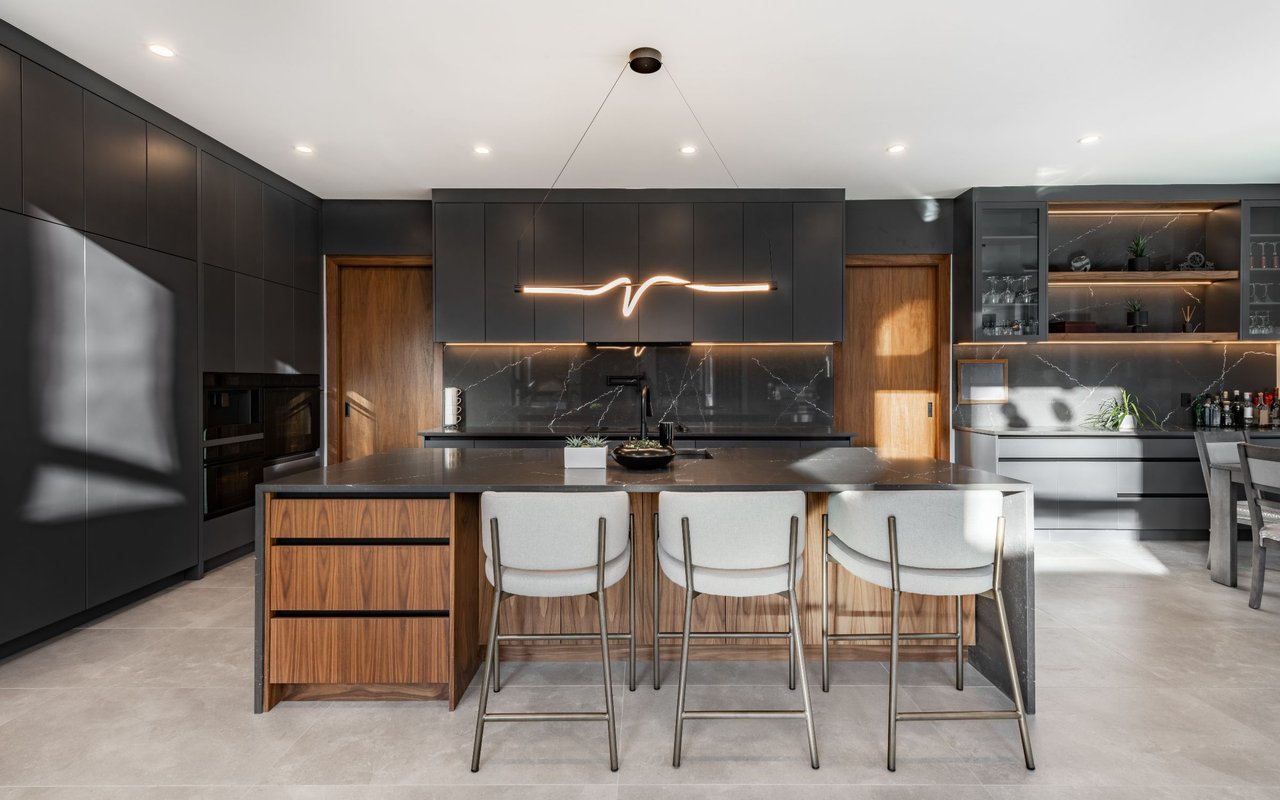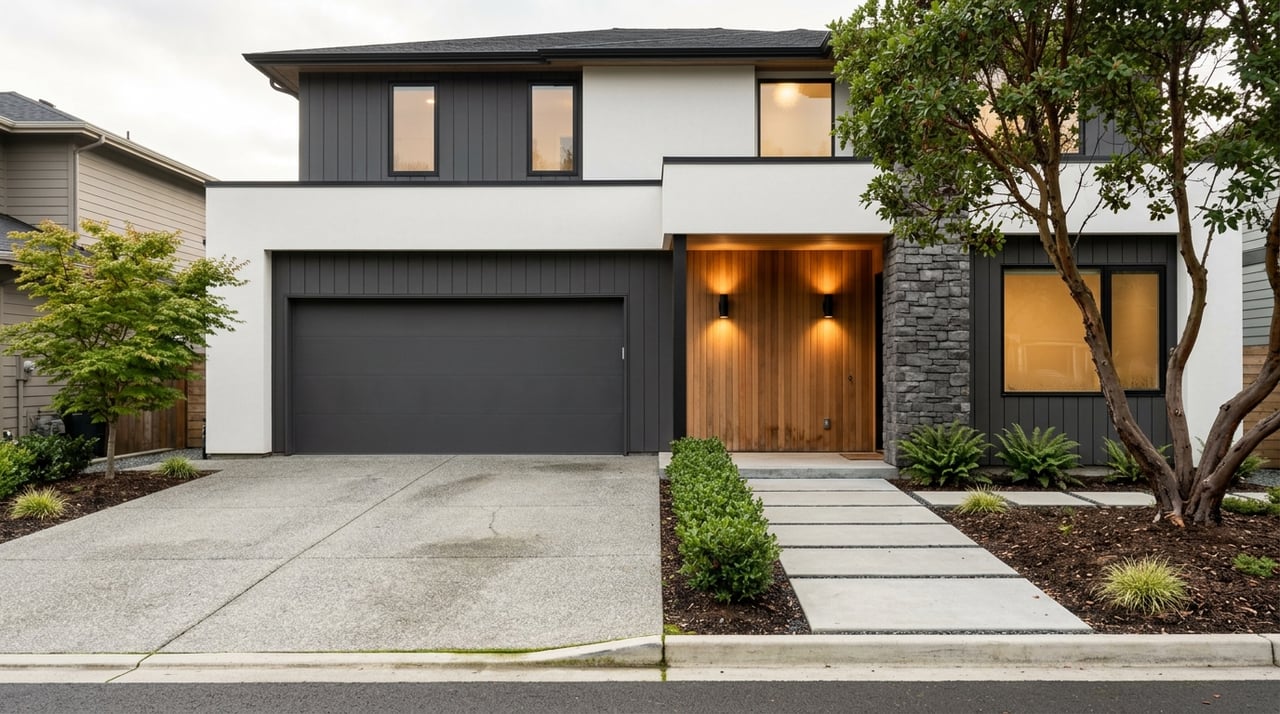
Launching a new-home community in Bellevue is not a generic sales exercise. You are bringing product to market in one of the Eastside’s most expensive, fast-moving, and closely watched housing markets. If you want a strong debut, you need more than attractive homes. You need pricing discipline, a clear release plan, a compelling sales story, and a buyer experience that matches Bellevue expectations. Let’s dive in.
Why Bellevue Requires a Different Launch Strategy
Bellevue offers scale, wealth, and steady demand, but it also leaves little room for guesswork. The city reported about 154,000 residents in 2024, around 68,000 housing units in 2023, and about 154,000 jobs in 2023. From 2018 to 2023, Bellevue added roughly 12,100 jobs and about 5,600 housing units, which helps explain why new housing remains a major focus for the city.
The buyer profile matters just as much as the headline numbers. Bellevue’s 2023 median household income was $158,000, and about 74% of working-age residents held a bachelor’s degree or higher, according to the city’s data analysis and community engagement report. In practical terms, that means many buyers are informed, comparison-driven, and willing to pay for the right product, but they expect the details to make sense.
Pricing also starts from a high baseline. Bellevue’s 2025 typical home price was $1.6 million, and the city reports that home values rose about 61% from 2020 to 2025. A launch in this market has to reflect both premium pricing and buyer sensitivity to product fit, location, and convenience.
Start With Neighborhood-Level Pricing
One of the biggest launch mistakes in Bellevue is relying too heavily on a citywide average. That can blur important differences between submarkets and create pricing that feels disconnected from buyer expectations.
As of March 2026, Realtor.com’s Bellevue market overview showed 479 homes for sale, a median listing price of $1,499,975, 29 median days on market, and a 99% sale-to-list ratio. At the same time, Redfin’s February 2026 Bellevue snapshot reported a median sale price of $1.575 million, an average of 10 days on market, and about 3 offers per home. The methodologies differ, but both suggest an active premium market where strong listings can still move quickly.
The spread inside Bellevue is what really shapes a launch plan. According to NWMLS annual review data and Realtor.com neighborhood pricing, median pricing can vary widely by area, from about $992,750 in Downtown Bellevue to roughly $3.498 million in West Bellevue. Other cited submarkets include Wilburton around $1.37 million, Lake Hills around $1.96 million, and Northwest Bellevue around $2.40 million.
That range tells you something important: Bellevue is not one pricing market. A new-home community needs a pricing ladder tied to its immediate submarket, product type, finish level, and access story. If you miss that positioning early, you can lose momentum before the community has a chance to establish value.
Build Product Around Bellevue Demand
Bellevue’s recent growth pattern points toward product types that have been absorbing supply. The city’s own analysis shows that all net housing growth from 2018 to 2023 came from townhome and multifamily development rather than single-family homes. That does not mean every launch should be attached housing, but it does signal where the market has been adding inventory and where buyer demand has been meeting new supply.
For many projects, the strongest positioning will be around homes that feel design-forward and easy to maintain. Buyers in Bellevue often want efficient layouts, modern finishes, and a lock-and-leave lifestyle that supports busy schedules. A community launch should make those benefits easy to understand from the first touchpoint.
The city’s planning framework also supports this direction. Bellevue’s 2024-2044 Comprehensive Plan guides housing, transportation, parks, human services, and neighborhood subarea planning. In areas like Wilburton, implementation planning places added focus on land use, affordable housing, sustainability, and multimodal transportation.
Bellevue is also working to increase housing variety. The city’s affordable housing update notes a 10-year target of 5,700 affordable units, the creation of the Office of Housing in February 2025, and a middle-housing permit introduced in January 2026 that streamlines projects with 3 to 6 dwelling units. Even if your community is not part of that segment, the broader direction is clear: more housing diversity, more density in the right places, and more support for formats beyond traditional detached homes.
Make Transit Part of the Sales Story
Transit is no longer a side note in Bellevue. It is part of the value proposition, especially for communities near current or planned station areas.
Sound Transit’s East Link Extension spans 14 miles and 10 stations. The 2 Line opened between South Bellevue and Redmond Technology Station on April 27, 2024, and the Seattle connection opened on March 28, 2026. Peak service is every 8 minutes when the 2 Line connects to Seattle.
That expansion changes how many buyers evaluate daily convenience. Commute flexibility, access to job centers, and car-light lifestyle options can all support stronger community positioning. If your project is transit-adjacent, that should be part of the launch narrative from day one.
Bellevue’s own station-area planning reinforces the same point. The city is planning around pedestrian and bicycle access, bus service, sidewalks, utilities, and wayfinding near East Link stations. It is also pursuing transit-oriented development in areas like BelRed and Wilburton, where city-owned parcels could help deliver as many as 850 units.
For a builder or developer, that means location messaging should be specific. Instead of generic convenience claims, anchor the story around real mobility benefits, nearby station access, and the practical advantages of a low-maintenance home in a connected corridor.
Plan Phase Releases Carefully
A strong launch does not mean releasing everything at once. In Bellevue, where pricing precision matters, phase strategy can protect both scarcity and price integrity.
Before opening sales, you should be clear on a few decisions:
- Which floor plans deserve a physical model home
- Which homes can be shown effectively through virtual tools
- How many homes to release in phase one
- Which traffic channels will carry the launch
- What weekly reporting will track lead quality and conversion
A phased approach lets you test buyer response without giving away too much inventory too early. It also gives you room to recalibrate pricing, incentives, and messaging based on actual traffic and reservation patterns. In a market with a large premium spread, this kind of control matters.
Match the Sales Experience to Bellevue Buyers
Bellevue buyers often arrive informed and ready with questions. They may have already compared submarkets, commute options, and competing product types before they ever visit your model. That means your on-site and digital sales process needs to feel polished, transparent, and efficient.
The National Association of Home Builders notes that model homes and open-house homes are often furnished to help buyers visualize the space. NAHB also emphasizes the value of clearly explaining the building process, timeline, and communication expectations. In a premium market, that clarity helps build trust quickly.
NAHB’s 2025 new-home sales guidance also highlights a few practices that fit Bellevue well:
- Use buyer-specific messaging
- Offer virtual tours and quick virtual check-ins
- Ask discovery questions early
- Help buyers imagine daily life in the home
- Let the customer do most of the talking
That combination works because Bellevue’s buyer base is both tech-oriented and detail-oriented. They often want a high-quality digital experience before they commit to an in-person visit, but they also expect a strong physical presentation once they arrive.
Build a Digital Funnel That Supports the Model Home
A Bellevue launch should not rely on foot traffic alone. Your website, paid search, social media, and lead follow-up system should work together with the model home, not separately from it.
NAHB’s guidance on website best practices for lead generation points to an approach centered on lead capture, SEO, paid search, and social media. Its broader toolkit also supports launch content such as videos, social assets, talking points, and consumer-friendly articles.
For a Bellevue community, this matters because many buyers start online and narrow options before scheduling a visit. Your website should make it easy to understand pricing direction, floor plans, timeline, and community highlights. Then, once a lead comes in, follow-up has to be fast, organized, and informative.
A well-run launch usually benefits from consistent reporting that tracks:
- Leads
- Appointments
- Model traffic
- Reservations
- Closings
Weekly review of those numbers can help you identify whether your issue is traffic volume, appointment quality, pricing resistance, or product mix. That is often the difference between a smooth sellout and a community that loses momentum.
What a Bellevue Sales Playbook Should Include
If you are preparing to launch a new-home community in Bellevue, your sales playbook should be practical and measurable. At minimum, it should include these five parts:
Pricing framework
Set pricing by submarket, product type, and finish level, not by citywide averages alone. Build in room for phase-by-phase recalibration as buyer feedback comes in.
Product positioning
Define why the homes fit Bellevue demand right now. Focus on the real benefits, such as low-maintenance living, design quality, transit access, and ease of ownership.
Launch calendar
Map out pre-launch marketing, model readiness, release dates, and reporting cadence. A strong opening weekend is helpful, but consistency over the next several weeks matters more.
Sales process
Create a clear path from inquiry to appointment to reservation. Buyers should know what happens next, who they will hear from, and how decisions will be communicated.
Performance reporting
Track weekly results and use them to make decisions. If the market speaks, your pricing, message, or release timing should be able to respond.
Why Local Execution Matters
In Bellevue, details carry weight. Buyers are looking at price, design, location, and convenience all at once. Builders and developers need a launch strategy that reflects local submarkets, current transit realities, and the way Bellevue buyers actually shop.
That is where local project experience can make a measurable difference. A team that understands Eastside pricing bands, product positioning, model-home presentation, and community sales operations can help you move from planning to absorption with fewer missteps. If you are preparing to bring a new-home community to market in Bellevue, Team Ginn can help you shape the pricing, presentation, and sales strategy needed for a stronger launch.
FAQs
What makes a new-home launch strategy different in Bellevue?
- Bellevue has high home prices, wide neighborhood pricing ranges, and an active buyer pool, so launches usually need submarket-specific pricing, polished presentation, and a disciplined release plan.
What price point should a new Bellevue community target?
- The right price point depends on the immediate submarket, product type, and finish level, since Bellevue pricing ranges widely from one area to another.
Why does transit matter when selling new homes in Bellevue?
- Transit matters because the East Link 2 Line has expanded regional access, and many buyers now weigh commute flexibility and station proximity as part of a home’s value.
What should a builder decide before opening a Bellevue model home?
- Before opening, you should decide which floor plans need a physical model, how many homes to release first, which marketing channels to prioritize, and what weekly sales metrics to track.
How can a real estate team support a Bellevue community launch?
- A team with local new-construction experience can help with pricing ladders, model-home strategy, launch timing, lead handling, and ongoing performance review throughout each sales phase.