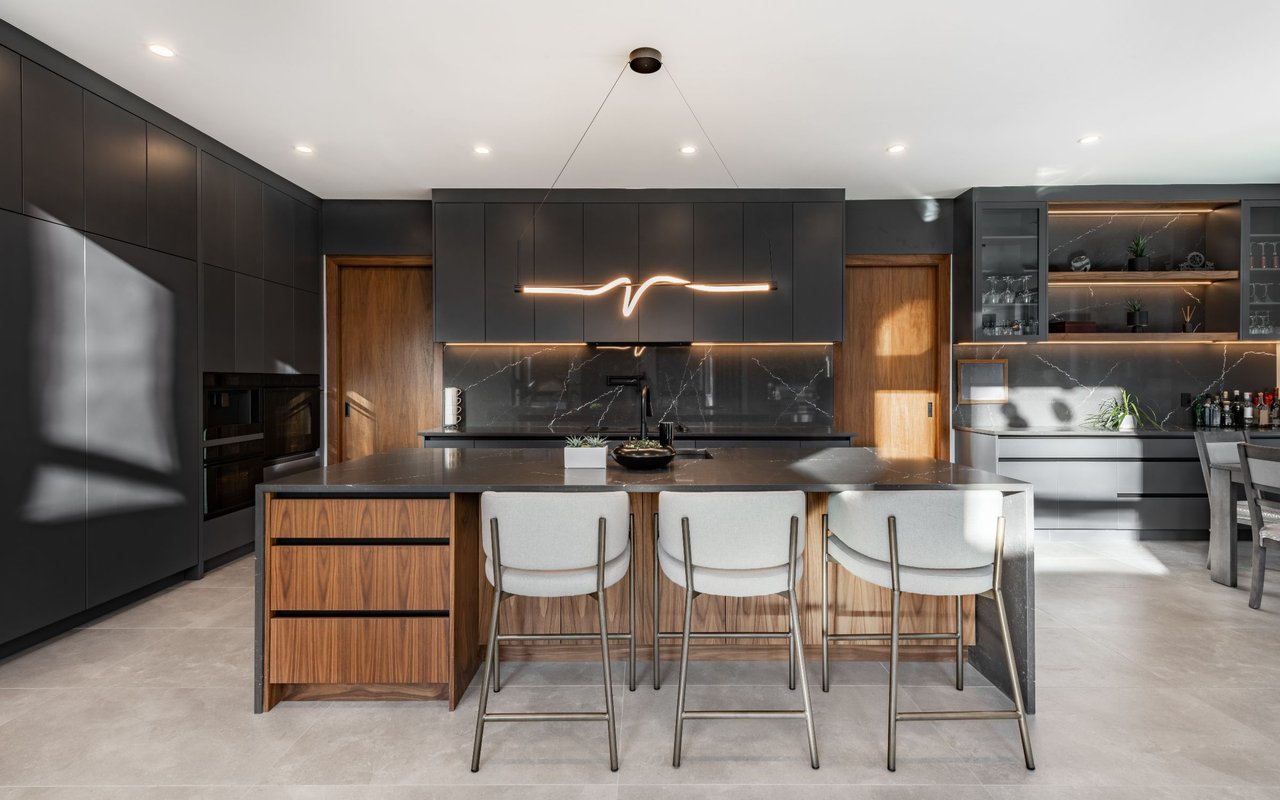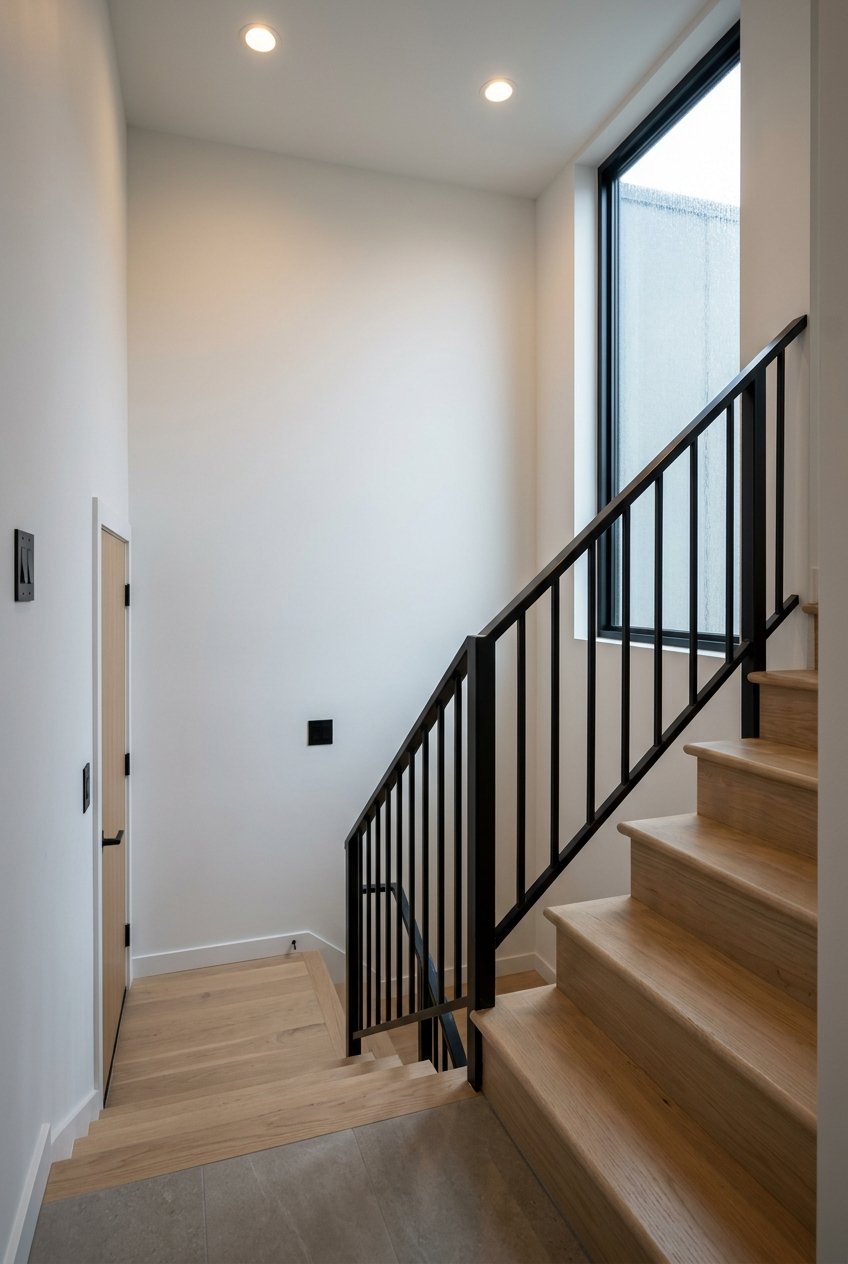
Wondering whether a new construction townhome in Seattle is the right move for you? You are not alone. With Seattle home prices still high and the median sale price recently reported at $865,000 by Redfin through the City of Seattle context, many buyers are comparing new townhomes with condos and detached homes to find the best fit for their budget, lifestyle, and long-term plans. If you are considering a new-build townhome, the details behind the listing matter just as much as the finishes and floor plan. Let’s dive in.
Why Seattle townhomes stand out
Seattle’s townhome market is shaped by both housing demand and city rules. The City of Seattle notes that Neighborhood Residential zones allow attached housing types such as townhouses, and recent ordinances were adopted to support more housing supply and align local rules with middle-housing standards.
For you as a buyer, that means new townhome communities can vary a lot from one project to the next. Layout, parking, shared outdoor space, and even storage access can look very different depending on the site and the zoning rules that apply.
Know the legal structure first
One of the biggest mistakes buyers make is assuming every townhome is owned the same way. In Washington, the legal structure matters more than the marketing label. Under WUCIOA, a townhome may be fee-simple, part of a plat community with shared obligations, or a condominium.
That difference affects what you own, what you share, and what you may have to pay for over time. A listing may call it a townhome, but the recorded declaration, plat, or condominium documents are what tell the real story.
What this means for ownership
If the home is fee-simple, you may own the structure and land directly, with fewer shared obligations. If it is in a plat community or condominium, ownership may come with HOA dues, shared maintenance responsibilities, and rules tied to common areas.
It is also possible for a project to include only limited shared elements, like a driveway or party wall, without creating a full common interest community. That is why document review is so important before you commit.
Ask how the project is governed
You should ask the builder or onsite sales team a simple question early: What is the legal structure of this townhome community? Also ask which declaration, plat, or map governs the property.
That one step can help you better understand monthly costs, maintenance obligations, and how future resale may be viewed by buyers and lenders.
Review site layout carefully
A beautiful unit is only part of the picture. Seattle’s zoning rules regulate structure size, height, unit count, landscaping, amenity areas, and parking location. Those rules directly affect how a townhome community functions day to day.
You will want to look closely at how the project handles parking, guest parking, trash, storage, and outdoor areas. In denser infill projects, these details can make a big difference in your daily experience.
Watch for future phases
If the project is being built in phases, the declaration may reserve development rights. Under Washington law, that can include the right to add improvements, create more units, or change parts of the site later on through reserved development rights described in WUCIOA.
For you, this means the community may not be fully finished when you buy. Nearby buildings, common spaces, or site circulation could change after your purchase, so ask what is planned for later phases.
Understand HOA fees and reserves
If the townhome is part of a common-interest community, the HOA deserves close attention. Monthly dues are only the starting point. You also want to know what those dues cover, how strong the reserve funding is, and whether the association is being set up for long-term stability.
Under Washington law, associations must prepare annual financial statements. Associations with annual assessments of $50,000 or more generally must have an annual CPA audit unless a narrow owner waiver applies. Reserve studies are also generally required unless exempt, with annual updates and a professional update at least every third year.
Why reserves matter
Healthy reserves can help reduce the risk of unexpected special assessments. If a community underfunds future repairs, owners may later be asked to contribute more money for shared expenses.
Before closing, ask to review the most recent reserve study and annual financial statement if available. This is one of the clearest windows into how the community is planning for future costs.
Ask who controls the HOA
In many new communities, the builder controls the association during the early sales period. That is normal, but it should not stay that way forever. Washington law limits the period of declarant control, requires owner representation on the board based on sales progress, and requires a transition meeting when control ends.
At turnover, the builder must transfer important records, including governing documents, financial records, permits, certificates of occupancy, warranties, and the latest reserve study. If you are buying into a newer project, ask whether the builder still controls the HOA and when homeowner control is expected to begin.
Slow down and read disclosures
New construction contracts can move fast, especially when inventory is limited. Still, this is not the time to rush. If the unit is part of a common interest community, you must receive a public offering statement before conveyance.
That document can tell you a great deal about unit boundaries, budget, included features, development rights, and warranty language. It is one of the most important items in your due diligence.
Know your timing rights
If the public offering statement is first delivered seven days or less before signing, Washington law gives you a seven-day right to cancel after receiving it. If it arrives too close to closing, the closing date can be extended.
This is a valuable consumer protection, but only if you understand it and use the time to review the documents carefully.
Earnest money should be handled properly
Washington law also provides that earnest money connected to the purchase of a unit in a common interest community generally must be held in escrow until closing, refund, default, or court order under WUCIOA requirements.
Ask where your earnest money will be held and under what escrow terms. Clear answers here are part of a well-run transaction.
Compare base price and upgrades
The advertised base price is not always the final price you will pay. Some items may be standard in one project and upgrades in another. That can include appliances, finish packages, storage solutions, and EV readiness.
Ask the onsite team for a written breakdown of what is included in the base price and what will cost extra. This helps you compare communities more accurately and avoid surprises later in the contract process.
Get the warranty in writing
A builder warranty is not the same thing as a home warranty or service contract. The FTC explains that builder warranties come with new homes and usually cover permanent parts of the home, but the scope can vary widely by builder.
Do not rely on verbal promises. Ask for the actual written warranty booklet and review what is covered, what is excluded, how long coverage lasts, and how claims must be submitted.
Title can affect warranty rights
If the townhome is condo-titled, WUCIOA may imply certain warranties related to suitability, materials, plans, code compliance, and workmanlike construction, though those warranties can be modified in limited ways.
That is another reason legal structure matters. Your rights may differ depending on how the project is titled and documented.
Use inspections to protect yourself
Even with brand-new construction, third-party inspections can be a smart move. Washington allows you to hire a licensed home inspector, and many buyers use inspections at more than one point in the process.
A practical inspection plan often includes:
- A pre-drywall inspection, before insulation and drywall cover the work
- A final walkthrough inspection before closing
- A warranty inspection near the end of the first year
This approach can help you identify issues early and document anything that needs follow-up.
Keep records if problems come up
If defects show up after closing, documentation matters. Under Washington’s construction-defect law, you generally must give written notice to the builder before filing a lawsuit, and the builder has a chance to inspect and offer repair or settlement.
Save punch lists, photos, emails, warranty requests, and any repair promises from the beginning. Good records can make the process smoother if you need service after move-in.
Questions to ask before you buy
When you tour a new construction townhome in Seattle, bring a short list of focused questions:
- Is this a fee-simple townhome, plat community, or condominium?
- Which recorded declaration, plat, or map governs the property?
- What do the HOA dues cover?
- Can I review the reserve study or annual financial statement?
- Is the builder still in control of the HOA?
- When will homeowner turnover happen?
- When will I receive the public offering statement?
- Where will earnest money be held?
- What is included in the base price?
- Which items are upgrades or change orders?
- How are parking, trash, storage, and outdoor spaces laid out?
- Can I hire my own inspector for pre-drywall and final walkthrough inspections?
- What written warranty is included, and how do claims work?
- Are there future phases that could change the site plan or common areas?
Final thoughts on buying smart
Buying a new construction townhome in Seattle can be an excellent option if you want modern design, efficient use of space, and a lower-maintenance lifestyle than some detached homes. But the smartest buyers look beyond the staging and finishes. They dig into legal structure, site planning, HOA setup, warranties, and disclosure timing before they sign.
If you want experienced guidance as you compare new communities, review how a project is structured, and negotiate with confidence, Team Ginn can help you approach the process with clarity and a builder-aware perspective.
FAQs
What should you ask before buying a new construction townhome in Seattle?
- Ask about the legal structure, HOA dues, reserve study, builder control of the HOA, public offering statement timing, earnest money handling, included features, upgrades, inspection access, warranty coverage, and any future phases.
How are Seattle townhomes legally structured?
- A Seattle townhome may be fee-simple, part of a plat community, or a condominium, and the recorded documents determine ownership rights and shared obligations.
Why do HOA reserves matter in a Seattle townhome community?
- HOA reserves matter because stronger reserve planning can reduce the chance of future special assessments for shared repairs and maintenance.
Can you hire your own inspector for a Seattle new construction townhome?
- Yes. You can hire a Washington-licensed home inspector, and many buyers choose a pre-drywall inspection, final walkthrough inspection, and first-year warranty inspection.
What is a public offering statement for a Seattle townhome purchase?
- A public offering statement is a disclosure document for common interest community purchases that can include details about unit boundaries, budget, development rights, and warranties.
What happens if defects show up after closing on a new Seattle townhome?
- Washington law generally requires written notice to the builder before a lawsuit is filed, and the builder has an opportunity to inspect and offer repair or settlement.